CNC machining is a computer-controlled production process in which a machine removes excess material from the workpiece according to a program prepared from a technical drawing. It is most often CNC cutting machining: turning, CNC milling, drilling and grinding, complemented by EDM and heat treatment. Below we explain how cutting machining works, what types there are, which CNC machines and materials are used, and when it is worth outsourcing it to a contractor.
Table of contents:
- What does CNC mean?
- How does cutting machining work?
- Types of cutting machining
- Types of CNC machines
- Materials for CNC machining
- Advantages and limitations of CNC machining
- Applications of CNC machining in industry
- When is it worth outsourcing CNC machining?
- CNC machining – frequently asked questions
What does CNC mean?
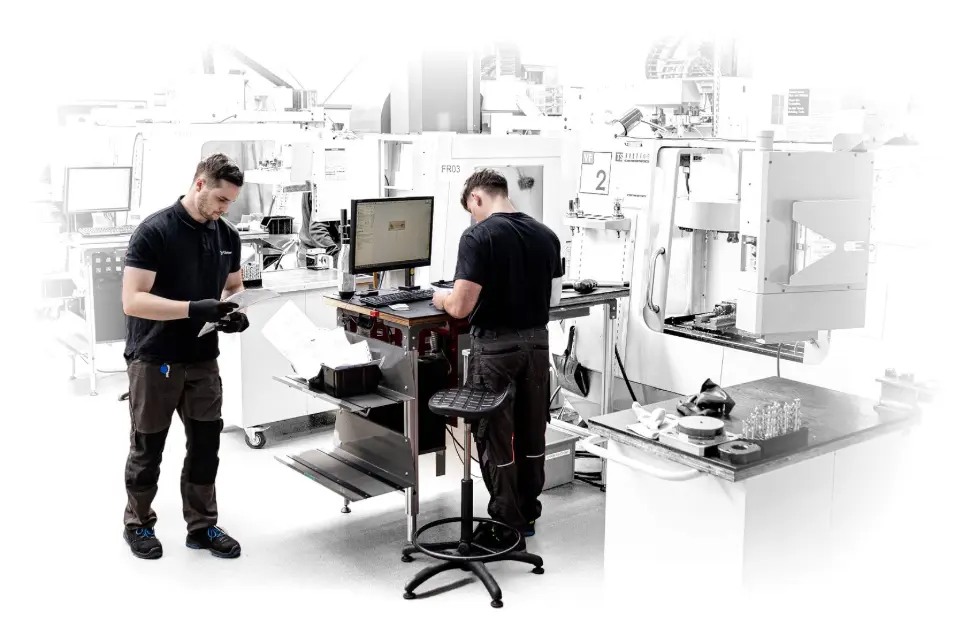
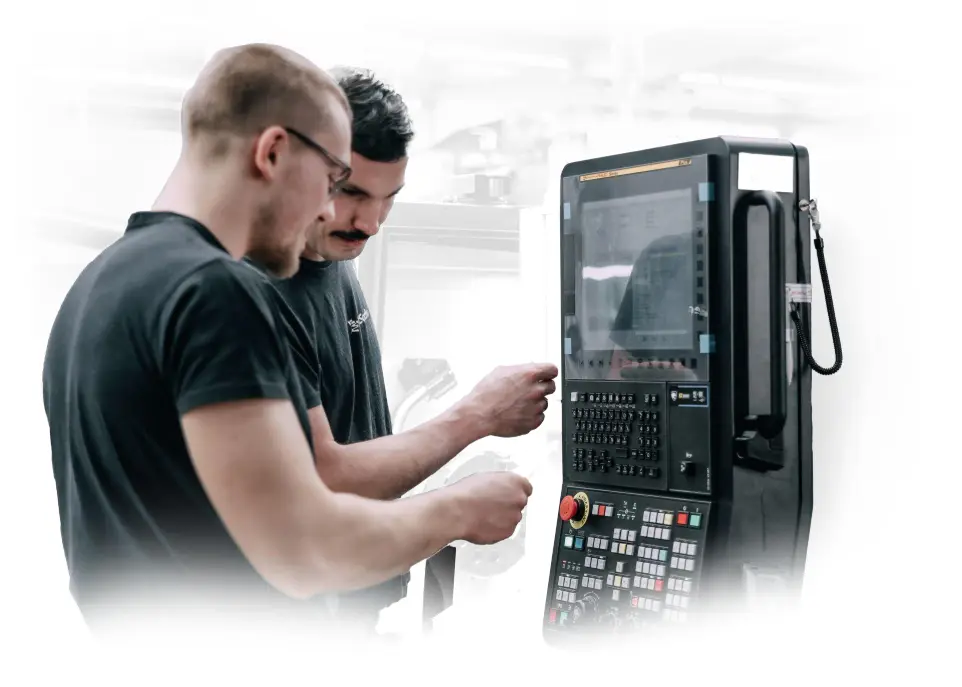
CNC stands for Computer Numerical Control. What does CNC mean in practice? A program, not the operator's hands, controls the movement of the tool and the workpiece. The program contains all the data of the part: dimensions, shapes, hole positions and working parameters. Thanks to this, the machines deliver high accuracy and repeatability from one piece to the next.
Today this technology is the standard in one-off and serial production in the machine industry, automotive, aerospace and medicine. CNC machining is a subtractive method: the machine removes material from a block until the planned shape remains. This distinguishes it from 3D printing, which builds a part layer by layer. CNC machines can work continuously, even around the clock, which increases production efficiency.
How does cutting machining work?
Cutting machining removes excess material from a part with a cutting tool until the right shape is obtained. The excess material leaves as chips. Compared with other methods, such as casting or bending, metal cutting gives more accurate dimensions and better surface quality, which is why cutting machining is used in automotive and aerospace. In practice, a block of steel or aluminum turns into finished structural elements such as housings, shafts or casings. CNC cutting machining makes it possible to achieve high accuracy even with complex geometry.
How does CNC cutting machining proceed?
The whole process starts with documentation: a technical drawing or a 3D model from a CAD program. On this basis, a programmer in a CAM system creates the toolpaths and generates the control code. The operator clamps the workpiece, sets the cutting tool and starts the program. The machine carries out the successive machining operations, and the finished part is checked by measurement before it goes to the customer. This process is repeated for every series.
Cutting machining parameters
Cutting machining requires precise selection of cutting parameters, and the right parameters depend on the material. The most important of them are cutting speed, feed and depth of cut, that is, the thickness of the layer removed in one pass. Roughing removes a lot of material, while finishing improves the surface. Parameters that are too aggressive shorten tool life and worsen surface quality, and those that are too cautious extend the lead time. The choice of parameters also depends on which cutting tool is used and on the rigidity of the system.
Accuracy and quality control
Accuracy requirements influence the choice of method. Machining accuracy depends on the rigidity of the machine, the condition of the tool and temperature stability. Checking dimensions after machining confirms the precision of the work and conformity with the technical drawing.
Types of cutting machining
Types of cutting machining differ in what moves: the workpiece, the tool or both. Below are examples of cutting machining performed on CNC machines.
CNC turning
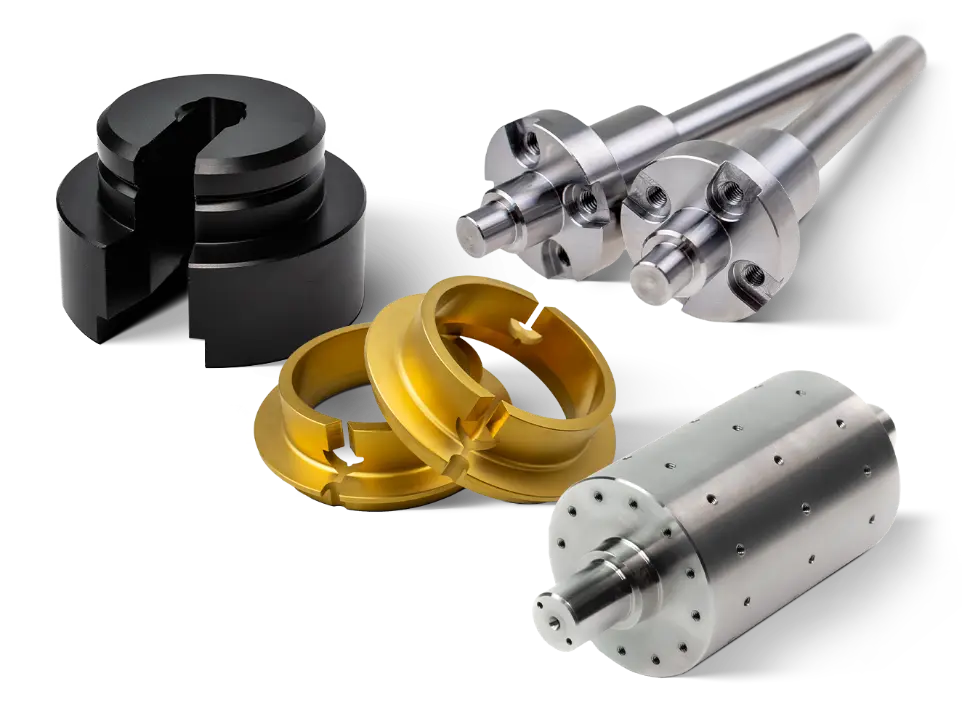
In turning, the material rotates on a spindle while a stationary turning tool removes layers from the outer or inner surface. Turning is a widely used cutting method for rotary parts such as shafts, sleeves and rings, as well as cylindrical parts. The turning tool is chosen according to the material and the type of operation, and CNC turning gives high dimensional accuracy. You will find more on the page about CNC turning.
CNC milling
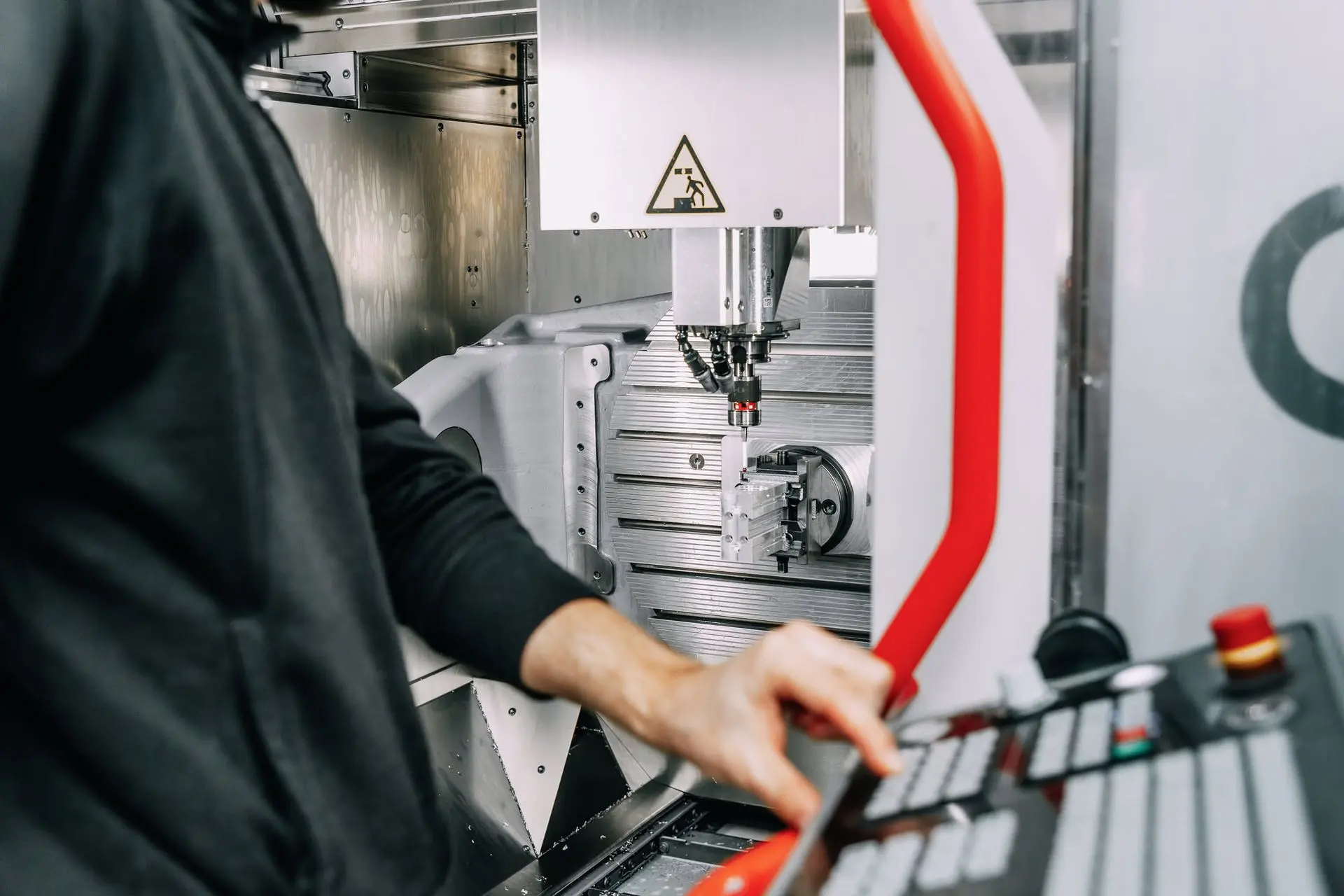
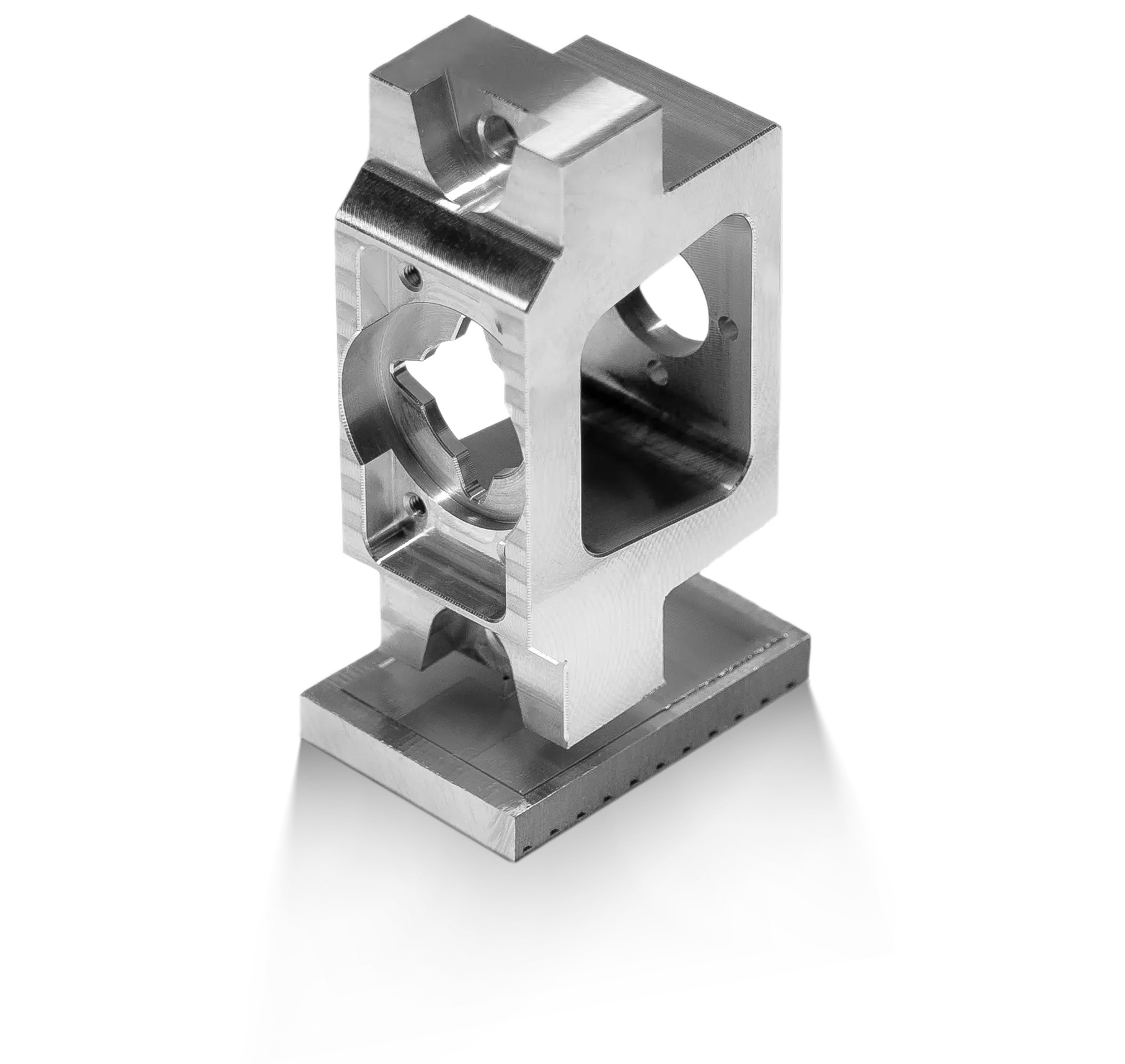
Milling uses a rotating cutting tool, a milling cutter, which removes material from a stationary workpiece. CNC milling is one of the most commonly used cutting methods: it makes it possible to produce planes, pockets, grooves and holes, as well as parts with complex geometry and intricate shapes. CNC milling machines use the rotary motion of the tool and machine many different materials, from aluminum to steel. Milling makes it possible to machine a part from several sides. Details on the page about CNC milling.
Drilling and tapping
Drilling is used to make holes and tapping to cut a thread in them. CNC machines perform both operations automatically, according to the coordinates stored in the program. CNC drilling machines work as separate machines or as part of machining centers.
Grinding and polishing
Grinding removes thin layers of material and improves dimensional accuracy and surface quality after rough machining, which is why finishing is often done with this method. Grinders are used for narrow tolerances, for example on shafts and holes, and polishing is used to finish the surface. More about this process on the page about CNC grinding.
EDM and heat treatment
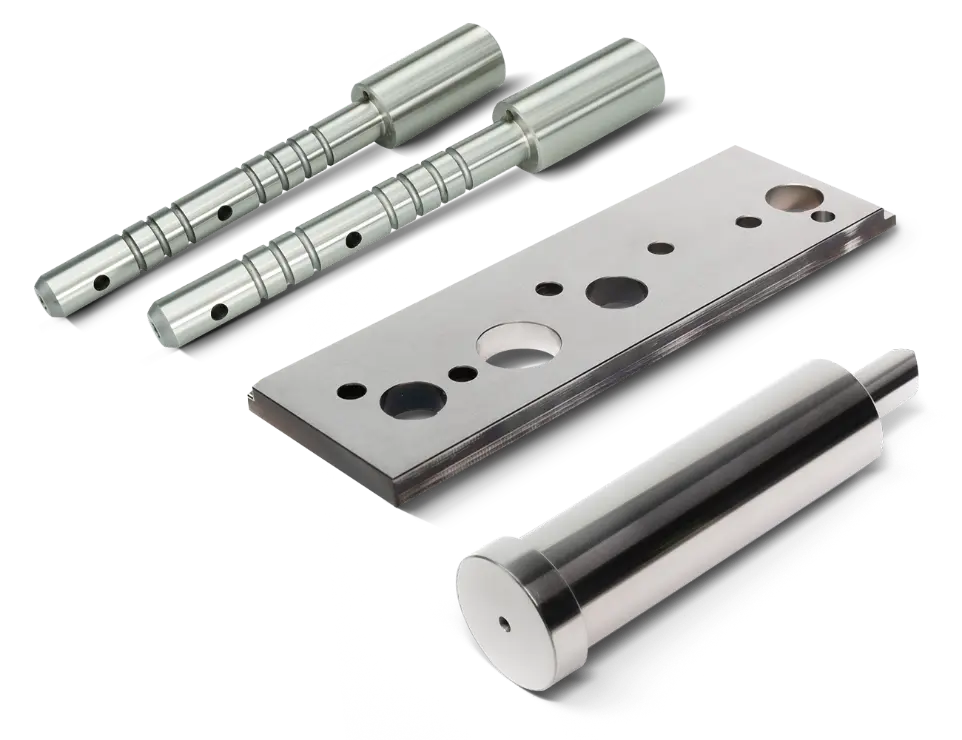
EDM removes material with electrical discharges, which makes it possible to machine hard materials and produce shapes that a cutting tool cannot reach. Heat treatment, for example hardening, changes the properties of steel. Both processes complement turning and milling, and we described the details on the pages about electrical discharge machining and heat treatment.
Types of CNC machines
CNC machines include milling machines, lathes, grinders, drilling machines and cutting machines, for example laser or plasma ones. Plasma cutters use a plasma arc to cut metals. CAD/CAM systems are used for design and code generation. The choice of machine depends on the shape of the part, the material and the required accuracy, and there are many machines for cutting machining.
CNC lathes
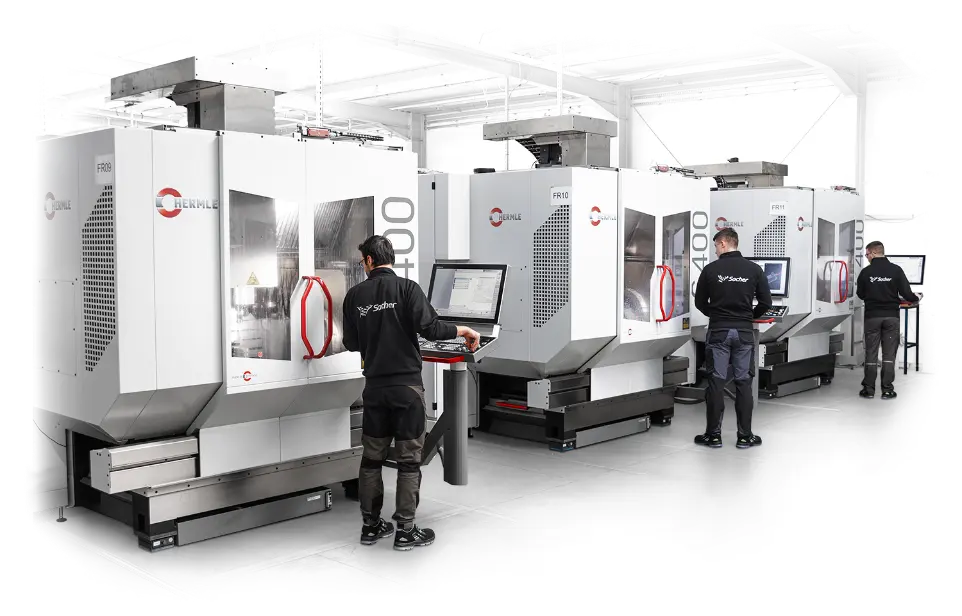
CNC lathes are designed for rotary parts, that is, for producing cylindrical parts with rotational symmetry. The material rotates in the spindle, and the cutting tool moves along a programmed path. Two-axis lathes are enough for simple parts, and models with additional axes and driven tools also perform milling and drilling in a single setup.
CNC milling machines – 3-axis and 5-axis
3-axis CNC machines are the most popular in production and are enough for most parts. 5-axis CNC machines offer more advanced machining capabilities: they machine a part from five sides in one setup, so they handle complex geometry better and shorten preparation time. Five axes, however, mean a more expensive machine and more demanding programming.
Automation
CNC machining uses automatic tool changers, pallet systems and in-process measurements, which make it possible to check dimensions without removing the part. Thanks to them, the machines run longer without operator intervention.
Materials for CNC machining
CNC cutting machining handles metals, plastics and composites. The choice of material for cutting machining depends on loads, the working environment, accuracy requirements and budget, not only on the price of the stock.
Metals: steel, stainless steel and aluminum
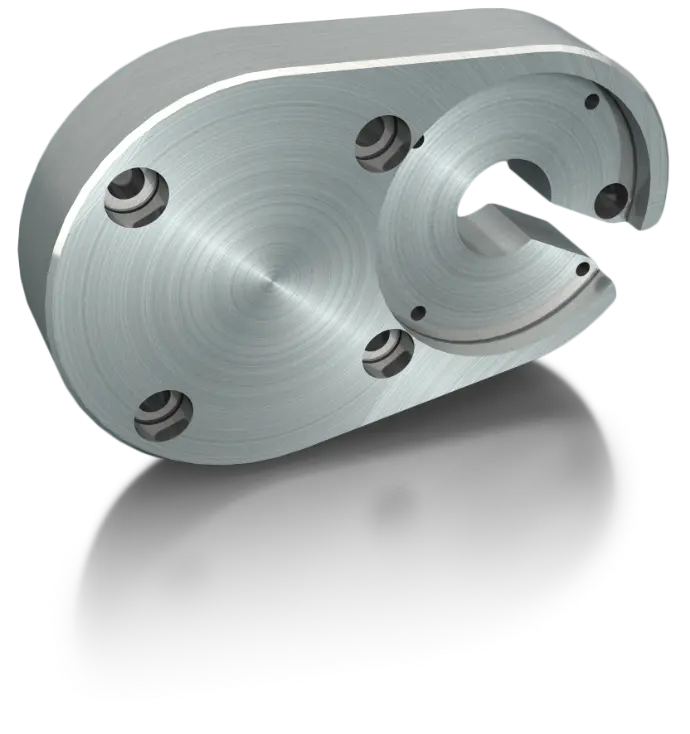
In the machine industry, metalworking mostly concerns steel, because it combines strength with good machinability. Stainless steel requires specialist tools and the right parameters, because it work-hardens quickly and conducts heat poorly, and CNC machining of stainless steel requires stable clamping. Aluminum is easy to machine but is sticky, so chips can stick to the tool. Machined aluminum requires sharp tools and good cooling, and stainless steel and aluminum are among the most commonly used materials. Materials with a hardness above 45 HRC are difficult to cut and often require grinding or EDM. Metalworking also includes copper, brass and bronze.
Plastics and composites
Plastics require sharper rake angles on the tools and cooling so that they do not deform.
Advantages and limitations of CNC machining
Metalworking on CNC machines delivers high precision and repeatability, which makes it possible to produce intricate shapes from various materials. It reduces waste, because the program optimizes toolpaths, and allows working parameters to be changed quickly. CNC machines can work continuously, which improves production efficiency and helps maintain consistent quality.
The method also has limitations. The high initial investment is its drawback, and machine maintenance costs can be high. Programming complexity requires qualified staff, and some geometries, for example deep cavities, limit tool access. That is why many companies outsource machining to a contractor instead of building their own machine park.
Applications of CNC machining in industry
CNC cutting machining is used in many branches of industry. In the machine industry it produces industrial components, gears, shafts and structural elements, and cutting machining is used to make them. In automotive it machines engine and suspension parts, and in aerospace lightweight and strong parts. In medicine it makes surgical instruments, prosthetic elements and electronic components. Production of precision parts to order, also in one-off production, is a typical application. See precision components and CNC prototyping.
When is it worth outsourcing CNC machining?
Outsourcing cutting machining to a contractor pays off when you need several technologies at once or produce small and medium series. A contractor with a full facility, that is, turning, milling, grinding, EDM, heat treatment and quality control, handles the order from material to finished part. For a quote, a technical drawing or 3D model with the material, tolerances and quantity is enough.
CNC machining – frequently asked questions
How does cutting machining work?
Cutting machining removes excess material from a workpiece with a cutting tool. The material is removed as chips until the part obtains the right shape and dimensions.
What are the types of cutting machining?
The basic types of cutting machining are turning, milling, drilling, grinding and tapping. They are complemented by EDM and heat treatment.
What are examples of cutting machining?
An example of cutting machining is turning a shaft and other rotary parts, milling a pocket in a plate, drilling holes in a housing and grinding a hole to size. All these operations are performed by CNC machines according to a program.
How does CNC machining work?
CNC machining works by controlling the machine with a program prepared from a drawing or a 3D model. The machine removes material from the block and creates a part of the given shape with high accuracy.
What does CNC mean?
CNC stands for Computer Numerical Control. It means that a computer, not an operator, controls the movement of the tool.
How much does one hour of CNC work cost?
There is no single rate, because the price of an hour of work depends on the type of machine, the complexity of the part, the material, tolerances and the size of the series. Machining on a 5-axis milling machine costs more than machining on a 3-axis machine. We quote each order on the basis of a technical drawing.
Is learning CNC difficult?
The basics of operating CNC machines can be learned relatively quickly, but proficiency takes time. Programming, selecting tools and parameters, and reading technical drawings are harder.
Is CNC machining suitable for small series?
CNC machining, like other cutting methods, is suitable for single pieces and small series, because it does not require expensive tooling. The cost depends on the material, the complexity of the part and tolerances.