Oxidizing, also called blackening, is a surface finish for steel that creates a thin, black layer of iron oxides on the part. It gives an attractive black colour, reduces glare and – combined with oil – protects against rust. It does not change the part's dimensions.
We explain what oxidizing involves, the blackening methods, the blackening process step by step and what the cost depends on.
Table of contents:
- What does "oxidized" mean?
- What does oxidizing steel involve?
- Oxidizing vs blackening
- Steel blackening methods
- How to blacken steel?
- At what temperature does steel change colour?
- Does black oxide protect against rust?
- Advantages of oxidizing
- Drawbacks and limitations
- Blackening stainless steel
- Which materials can be oxidized?
- Applications of oxidizing
- Oxidizing vs other coatings
- How much does oxidizing cost?
- Oxidizing at Sacher CNC
- Summary
- Oxidizing – FAQ
What does "oxidized" mean?
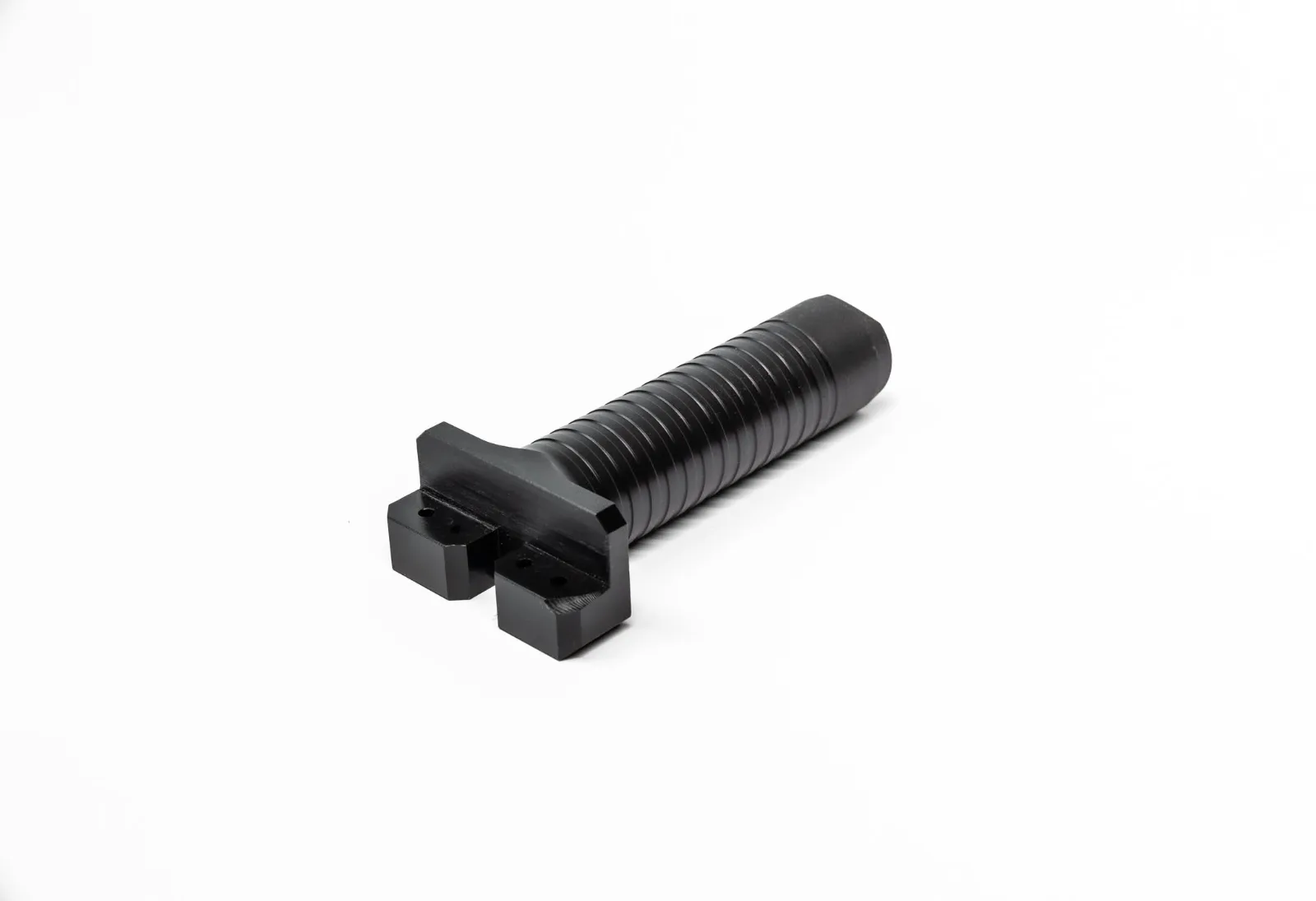
An oxidized part is one whose surface has been deliberately oxidized to form an oxide layer. For steel, this means a black or dark blue-black finish. Typical oxidized items include screws, tools and machine parts.
What does oxidizing steel involve?
Oxidizing steel is the controlled oxidation of the surface – in a chemical solution, electrochemically or thermally. Unlike rust, it forms a thin, dense layer that adheres well to the substrate.
Chemical reactions in the process
In the solution, iron reacts with an oxidizing agent. Magnetite (Fe₃O₄) forms on the steel surface and gives the finish its almost black colour. The process depends on solution composition, temperature and time.
What kind of layer is formed?
The oxide layer is about 1 µm thick, so it does not affect dimensions or tolerances. It is part of the material rather than an applied coating, so it does not flake like paint.
Oxidizing vs blackening
In workshop practice both terms mean the same: blackening is the common name for oxidizing steel. The terms "black oxide" and "bluing" are also used. The differences concern the method, not the result.
Steel blackening methods
Blackening methods differ in temperature, solution composition and layer durability. The choice depends on the material, batch size and required corrosion resistance.
Hot (chemical) blackening
Hot chemical blackening is the most popular method. Parts are immersed in a sodium hydroxide solution with oxidizing agents such as sodium nitrate at about 135–145°C. It gives the most durable and even layer, also in series production.
Cold blackening
Cold blackening uses chemical solutions applied at room temperature. It deposits a dark coating rather than forming a true oxide layer, so it is less durable. It is suitable for touch-ups and small quantities.
Electrochemical blackening
Electrochemical blackening uses electric current for oxidation. The electrolytic method relies on anodic oxidation of the part in an electrolyte; voltage and time determine the layer thickness.
Thermal blackening
Thermal blackening uses high temperatures: the part is heated in a furnace or with a flame and then quenched in oil. Heat and oil create a dark layer. Springs and simple parts are often blackened this way.
How to blacken steel?
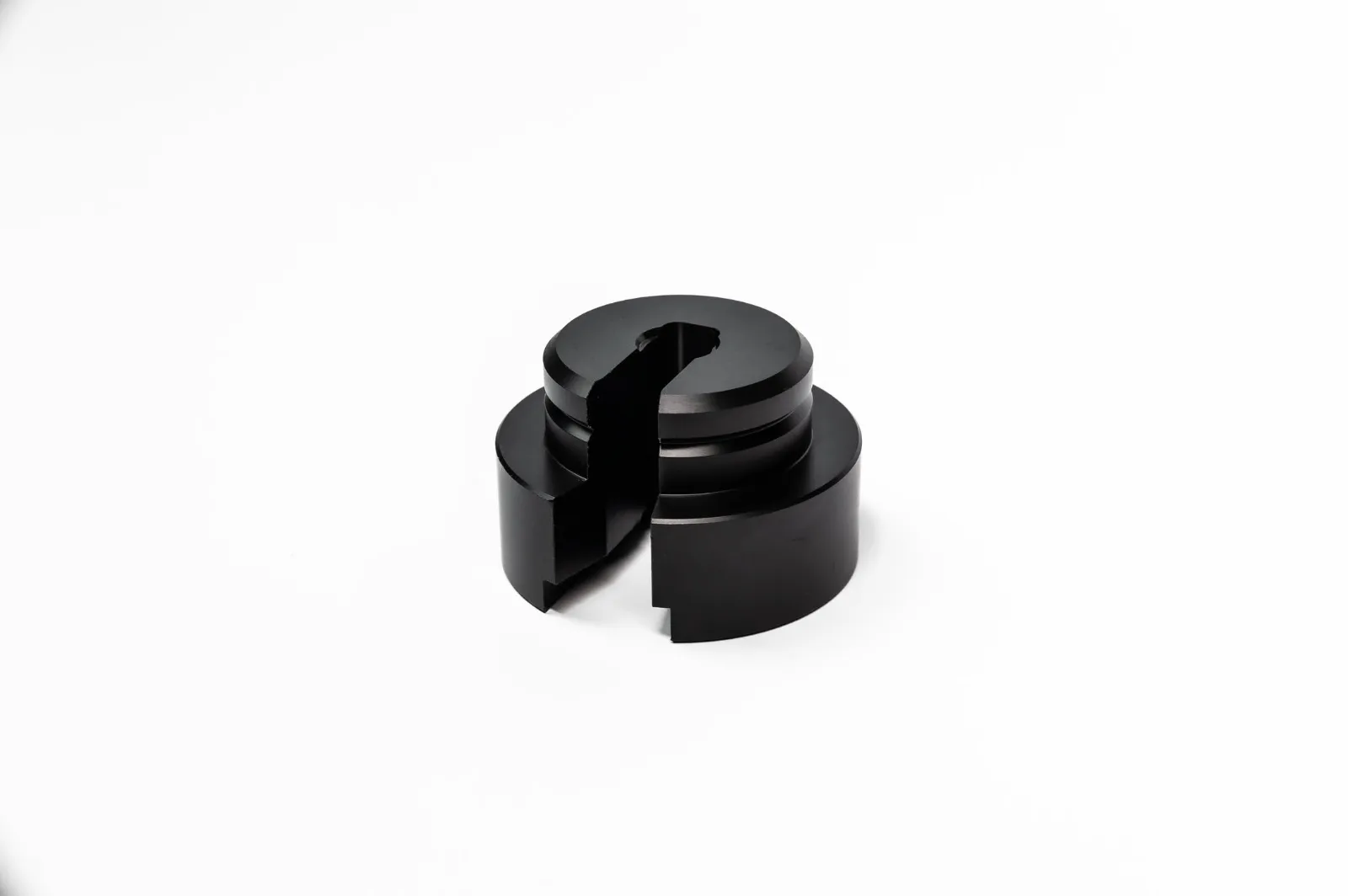
Hot blackening is carried out in several stages, each of which matters for the quality and uniformity of the finish.
1. Cleaning and degreasing
Cleaning and degreasing removes oils, coolants and dirt from machining. On a greasy surface blackening is uneven and stains appear.
2. Pickling
Pickling in acid, e.g. hydrochloric acid, removes scale and rust, leaving a clean, active surface.
3. Rinsing
Parts are rinsed with water to remove acid residues that could disturb the process.
4. Blackening bath
Clean parts are immersed in the hot solution for several minutes to a quarter of an hour. The time depends on the steel grade and desired shade.
5. Rinsing and neutralising
After blackening, parts are rinsed again to remove chemicals from surfaces and recesses.
6. Preservation
Finally, parts are impregnated with oil or wax. The oil fills the micropores of the layer and provides the actual corrosion resistance.
At what temperature does steel change colour?
When heated in air, steel changes colour due to a thin oxide film. Temper colours appear from about 200°C: straw (about 220°C), brown (about 250°C), purple (about 280°C) and blue (about 300°C). A black colour is only achieved by chemical oxidizing or thermal blackening.
Does black oxide protect against rust?
Yes, but to a limited extent. Black oxide is porous, so without preservation it rusts quickly. It protects against corrosion mainly together with oil or wax and in dry conditions. For outdoor use, other coatings are recommended.
Advantages of oxidizing
Appearance and black colour
Blackening improves the appearance of metal components. A uniform black colour makes the part look carefully finished.
No change in dimensions
The layer is about 1 µm, so tolerances do not need to change – important for fits and threads.
Corrosion protection
Blackening increases the corrosion resistance of metals in storage and dry environments, and improves the durability of steel parts.
Less glare
A matt, dark surface does not reflect light, so parts of optical and measuring instruments are blackened.
Better paint adhesion
Oxidizing improves the adhesion of paints and adhesives to metal surfaces, so it can be used as a primer under paint.
Drawbacks and limitations
Low abrasion resistance
The layer is thin, so scratches and abrasion damage it easily. Blackening does not increase the part's strength – that depends on the material and heat treatment.
Need for maintenance
The user must remember to oil the parts regularly; otherwise the risk of corrosion rises, especially in humid conditions.
Blackening stainless steel
Blackening stainless steel turns its surface dark, but requires different solutions than carbon steel. It can be done chemically or electrochemically. Blackened stainless steel looks modern and reduces glare and reflections. It is used in electronics, interior fittings and kitchen tools.
Which materials can be oxidized?
Carbon, alloy and tool steels and cast iron blacken best. Stainless steel needs special processes. Copper and brass are blackened by other methods, and aluminium is usually black-anodised instead.
Applications of oxidizing
Oxidizing is used in many industries wherever appearance, unchanged dimensions and moderate protection matter.
Mechanical engineering
Screws, shafts, bushings, fixtures and parts working under covers or in oil are blackened. CNC-machined parts are blackened at the end of the process.
Tools
Black oxide protects hand tools and measuring tools from rust in storage, visible as a dark, matt surface.
Firearms
Blackening is a classic finish for firearms and their parts – it gives a dark colour and reduces reflections.
Watches and electronics
Blackened screws, cases and housing parts are found in watches and electronic devices.
Oxidizing vs other coatings
Oxidizing vs galvanizing
Galvanizing gives much better corrosion protection but increases dimensions. More in Everything You Should Know About Galvanizing.
Oxidizing vs chrome plating
Chrome plating provides a hard, resistant coating, but it is more expensive and the layer thickness must be allowed for. Oxidizing is cheaper and does not change dimensions.
How much does oxidizing cost?
The cost depends on part size and weight, quantity, steel grade and surface condition. In series the cost per part is lower because many parts are blackened in one batch. Pickling and preservation also affect the price. Every order is quoted individually.
Oxidizing at Sacher CNC
At Sacher CNC we machine parts on CNC machines and deliver them with the required finish, including blackening, within a single order. The customer receives a finished part, and we are responsible for everything – from machining to finishing. This is especially convenient for medium and large series. More about machining on the CNC Milling.
Summary
Oxidizing is a cheap and quick way to finish steel. It gives a black colour, does not change dimensions and – with oil – protects against corrosion in dry conditions. Where corrosion requirements are high, other technologies such as galvanizing or PVD coatings are a better choice.
Oxidizing – FAQ
What does steel blackening involve?
Blackening creates a thin layer of black iron oxide on the surface, usually in a hot alkaline solution.
What does oxidizing involve?
Oxidizing is the controlled oxidation of a metal surface. For steel it is the same as blackening.
How to blacken steel?
Clean, degrease and pickle the part, immerse it in the blackening solution, rinse it and preserve it with oil or wax.
Does black oxide protect against rust?
Partly. Full protection in dry conditions only comes from black oxide impregnated with oil or wax.