Electrical discharge machining (EDM) is an unconventional method of shaping metals in which material is removed by controlled electrical discharges between an electrode or wire and the workpiece. Because of this, EDM can machine materials of any hardness and produce parts with complex geometry at high accuracy. Below we explain how an EDM machine works, what types of EDM there are, what its advantages and limitations are, and when it is worth outsourcing electrical discharge machining.
Table of contents:
- What is electrical discharge machining (EDM)?
- Types of electrical discharge machining
- Materials and requirements of EDM
- Accuracy and surface quality
- Advantages of EDM
- Limitations and costs of EDM
- EDM compared with other machining methods
- Applications of electrical discharge machining in industry
- When is it worth outsourcing electrical discharge machining?
- Electrical discharge machining – FAQ
What is electrical discharge machining (EDM)?
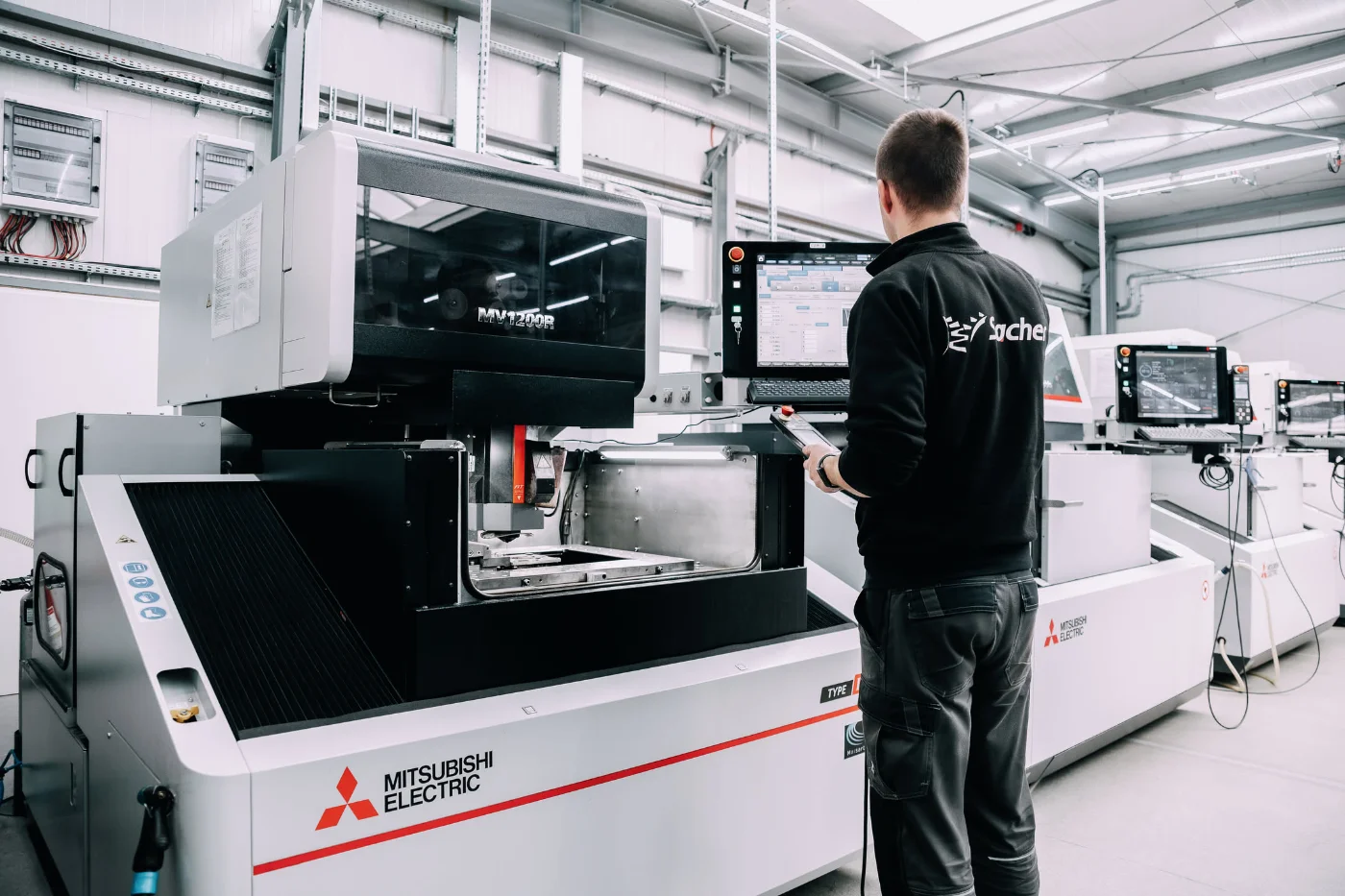
EDM stands for Electrical Discharge Machining. Electrical discharge machining removes material from the workpiece by means of controlled discharges. An electrical discharge occurs between the electrode or wire and the workpiece, producing high temperature and removing a small fragment of material from the surface. Repeated many times, the discharges give the part the planned shape. The electrode does not touch the part, so the method works in places that a conventional tool cannot reach.
Integration of EDM with a CNC system is standard today, so the process runs according to a program prepared from the design of the part. Electrical discharge machining complements CNC milling and grinding, and in practice it works where conventional tools have limited capabilities.
How does an EDM machine work?
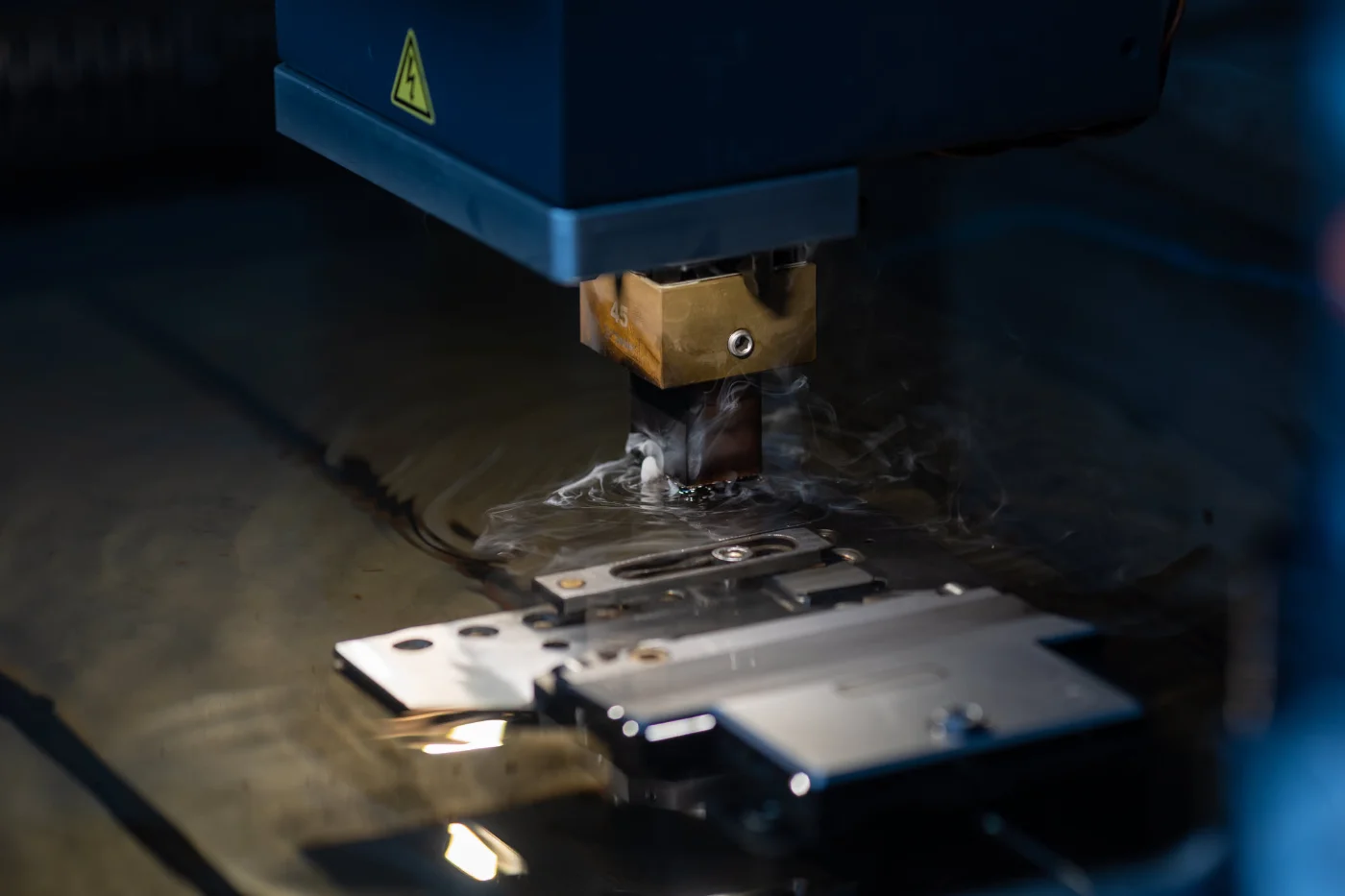
An EDM machine immerses the workpiece in a dielectric fluid and brings an electrode or wire close to it. The dielectric fluid insulates both parts, and when the voltage reaches the right value, an electrical discharge appears in the gap. The material melts or evaporates, and the dielectric fluid cools the part and flushes out the removed particles. Its flow determines the stability of the process, and the dielectric itself needs to be replaced and regenerated.
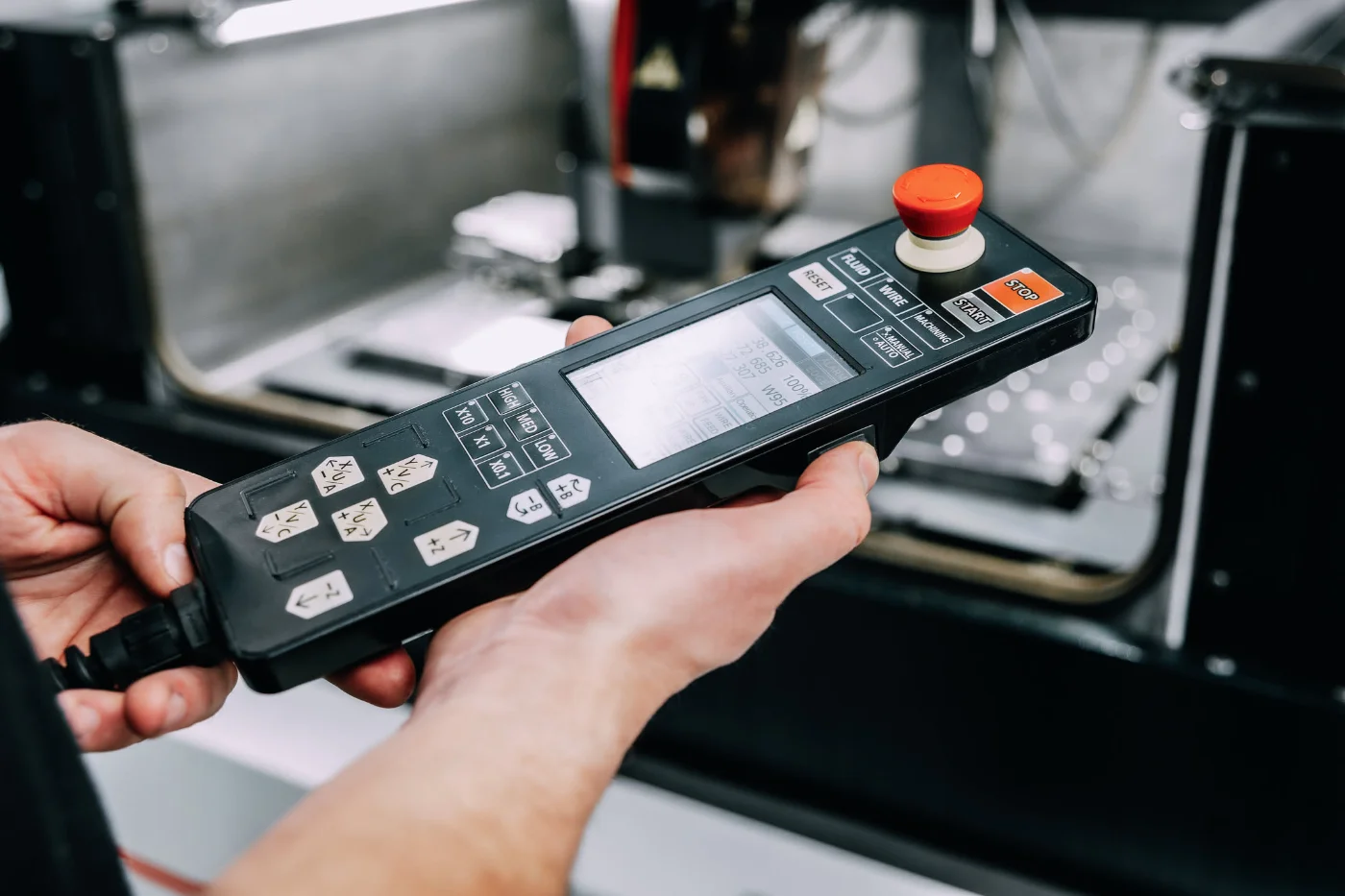
The generation and control of discharges takes place in the CNC system, which guides the electrode or wire along a programmed path. EDM technology exerts no cutting forces on the material, which reduces the risk of deformation.
Types of electrical discharge machining
The types of EDM include sinker EDM, wire cutting and EDM drilling. The choice of technology depends on the geometry of the part.
Sinker EDM
Sinker EDM uses an electrode shaped like the cavity and creates cavities of complex 3D shape. It works well in the production of injection molds and dies, and wherever sharp shapes of the parts matter. Electrode wear requires replacing them, and the design and making of electrodes is included in the cost of the order. The choice of electrodes depends on the shape of the cavity and the material of the part.
Wire electrical discharge machining (wire EDM)
Wire electrical discharge machining uses an ultra-thin wire as the electrode and is optimal for cutting contours and profiles. Electrical discharge machining with wire is excellent for complex contours, also in hard materials. Wire EDM copes with thin walls because there are no cutting forces. The wire wears during operation, so the machine constantly feeds a new section. Because of its diameter, sharp internal corners have a small radius in wire EDM.
EDM drilling
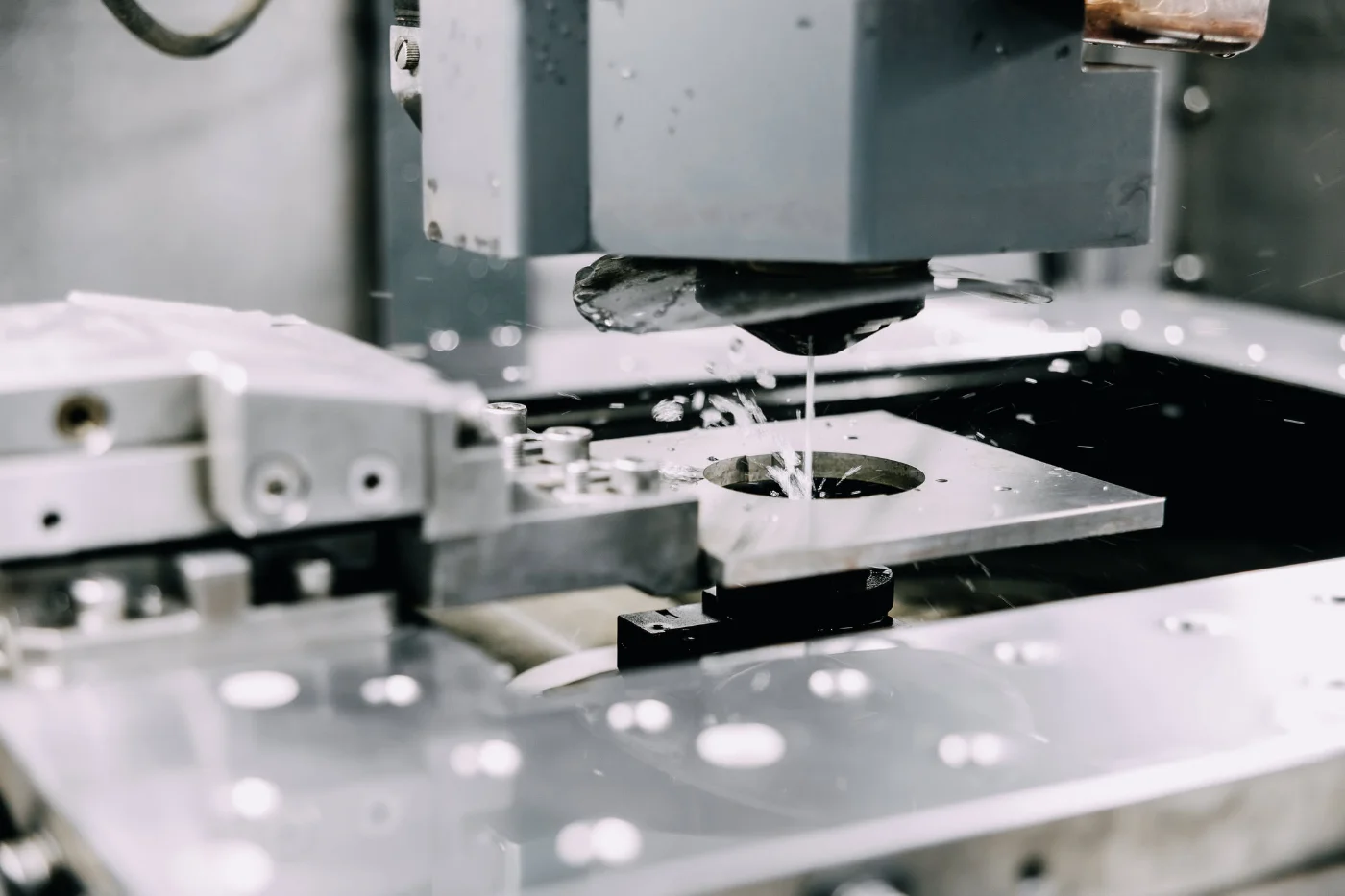
EDM for holes is used to make small holes, also in hard materials. The method is particularly advantageous in machining complex shapes and small holes. With it, a start hole for the wire can be prepared, and where a drill has limited capabilities, EDM drilling complements it.
Materials and requirements of EDM
Electrical discharge machining requires an electrically conductive material. The technology requires a conductivity above 10⁻² S/cm, so it is not suitable for plastics. The hardness of the material does not matter: EDM makes it possible to machine hardened steel, titanium and Inconel. Parameters adjusted to the material and the expected surface quality are chosen by the operator, drawing on the team's experience.
Accuracy and surface quality
The EDM method allows high precision on the order of micrometers. EDM achieves tolerances of 0.01–0.1 mm, that is, tens of micrometers, which provides the accuracy required for dies and fine details. In many cases it eliminates the need for additional finishing and limits the formation of burrs. High accuracy and repeatability ensure consistent quality of successive pieces.
Electrical discharge machining generates high temperature, which can lead to the formation of a remelted layer. This must be taken into account in the design of the process. Accuracy also depends on the condition of the electrode or wire and the quality of the dielectric.
Advantages of EDM
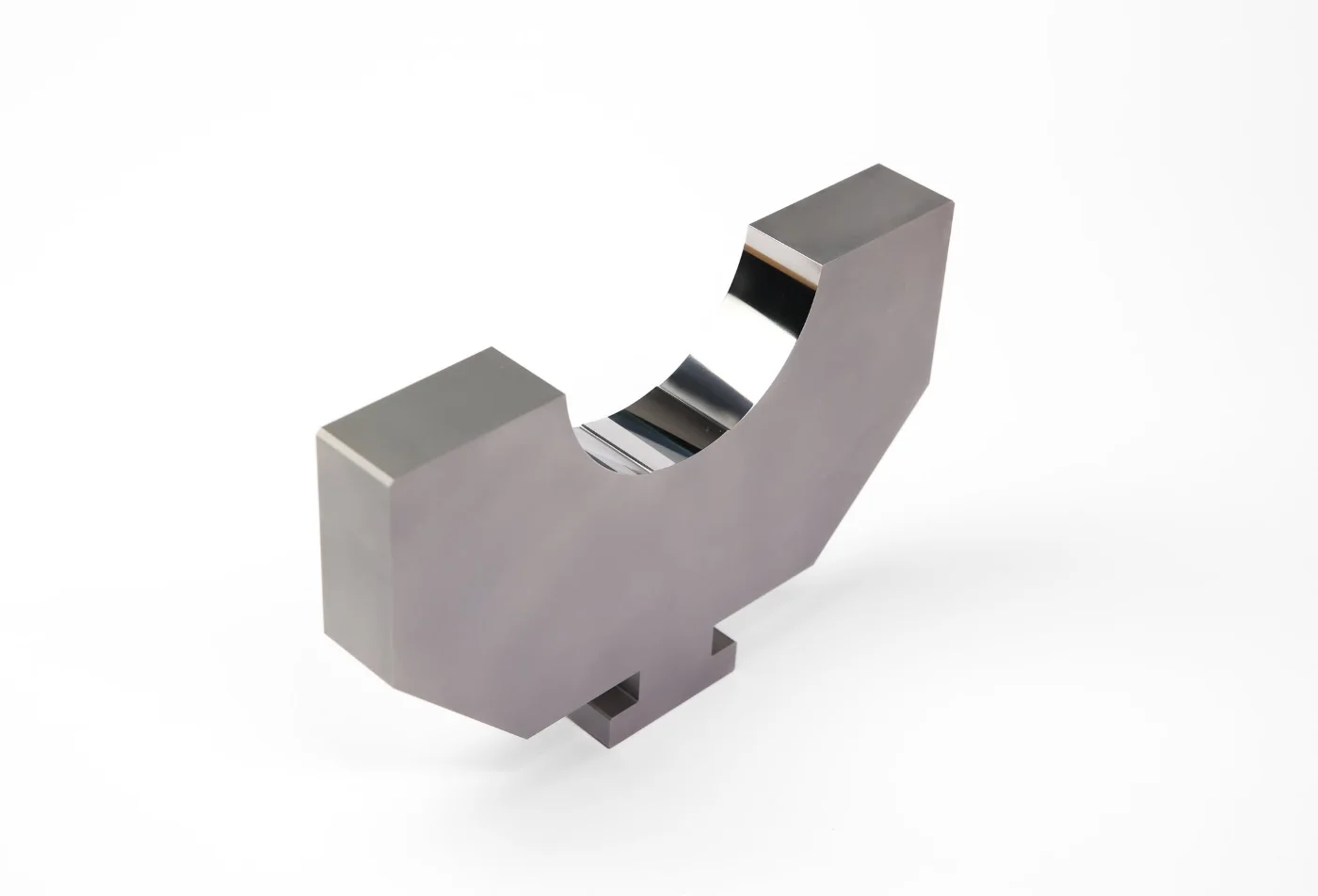
EDM technology makes it possible to machine materials that are difficult to machine conventionally, regardless of hardness. The absence of cutting forces makes it possible to machine parts with thin walls and varying thickness. EDM is particularly advantageous in machining complex shapes and fine details, and it also makes it possible to obtain complex 3D shapes. It is also useful in the regeneration of expensive parts.
Limitations and costs of EDM
The EDM process is usually slower than traditional cutting methods, and the material removal rate is below 20 mm³/(A·min), so efficiency is lower. A limitation is the need to use a dielectric, whose replacement and regeneration cost money. Wear of the electrode or wire adds to this.
EDM operating costs are high because of the consumption of materials, so the method is expensive in mass production. It is most cost-effective for small and medium series.
EDM compared with other machining methods
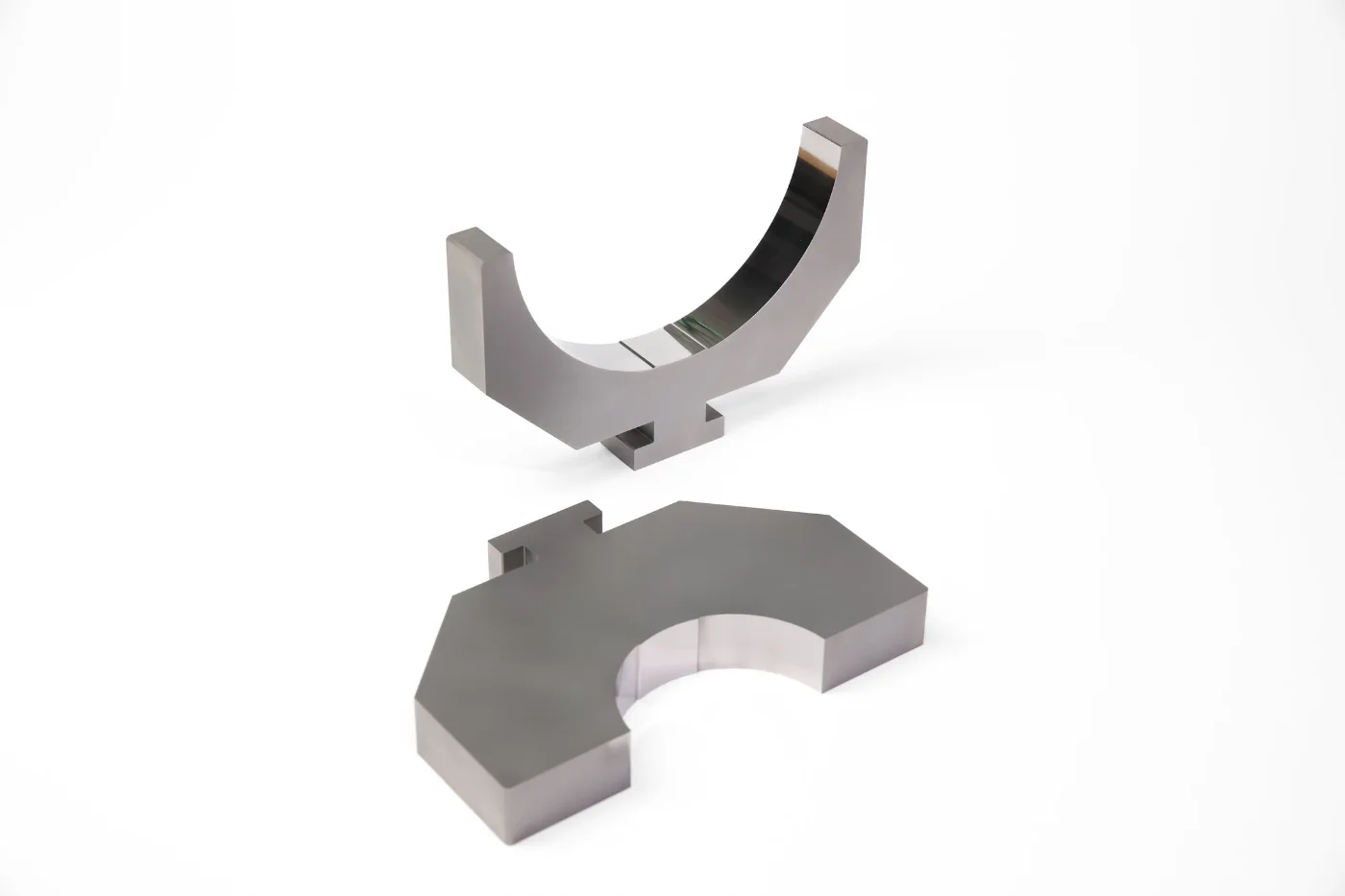
Electrical discharge machining does not replace milling or turning, it complements them. A typical process is milling, hardening and then EDM. EDM is the last or second-to-last stage of machining, because it allows precise finishing of parts after heat treatment. More on the pages about CNC milling and heat treatment.
Applications of electrical discharge machining in industry
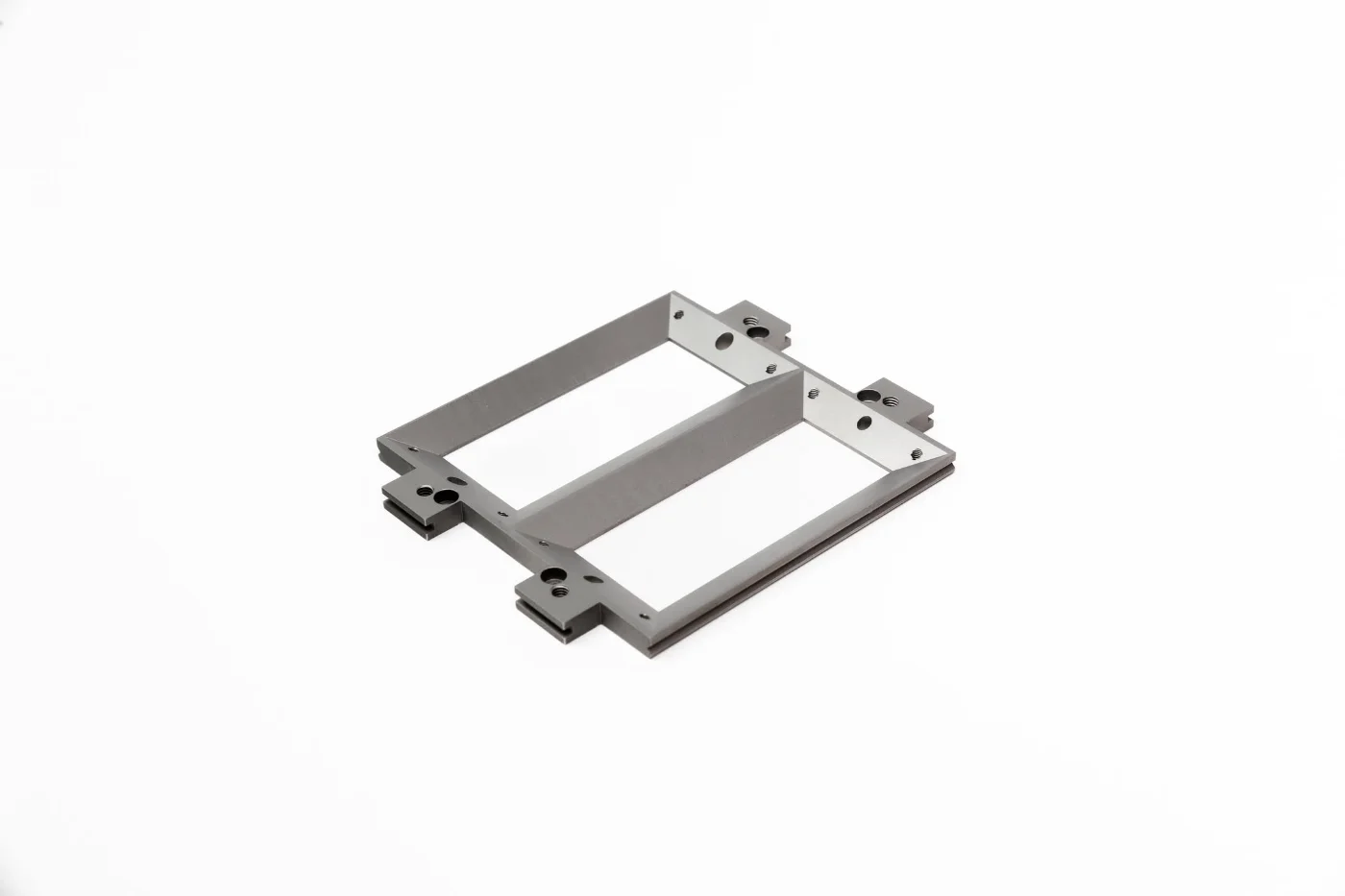
EDM is used in the tool industry to produce molds and dies, including for extrusion. Electrical discharge machining is used in many sectors, including aviation, space and medicine. It is key in the production of aviation components, and in medicine it is used to make implants. EDM also makes it possible to produce injection molds of complex shapes and is used in the production of gears. See the page about electrical discharge machining.
When is it worth outsourcing electrical discharge machining?
It is, when the part is made of a hard material and has complex contours, sharp corners or thin walls. It pays off for small and medium series and for finishing a part after hardening. For a quote, a technical drawing or 3D model with the material, tolerances and quantity is enough.
Electrical discharge machining – FAQ
What does the abbreviation EDM stand for?
The abbreviation comes from Electrical Discharge Machining. In metalworking it is electrical discharge machining, the same method that we describe in this article.
Is EDM only about metalworking?
In industry, EDM is electrical discharge machining. The same abbreviation is also used in other fields, for example in electronic music, but that is a completely different meaning.
How does an EDM machine work?
An EDM machine brings an electrode or wire close to the workpiece in a dielectric fluid. Electrical discharges remove small fragments of material from the surface, and the CNC system guides the electrode along a programmed path.
How does wire electrical discharge cutting work?
Wire electrical discharge cutting uses an ultra-thin wire as the electrode. The wire moves along the contour, and the discharges cut a profile in the material without cutting forces.
What are the types of machining?
The basic types of machining are cutting (turning, milling, drilling, grinding), electrical discharge machining and heat treatment. In EDM we distinguish sinker EDM, wire cutting and drilling.
What are the types of CNC machining?
CNC machining includes turning, milling, drilling and grinding, as well as electrical discharge machining controlled by the CNC system.